Play 18 / 21Part 06 · Create lasting value
Buy to grow, not to replace growth
Buy a capability you lack, not revenue to hide flat growth.
GROWTH TO EXITRead it if you run a profitable company with a named capability gap.
What this play says
Ian Mattioli’s test for an acquisition was a reason, not a price, and Sukh Chamdal’s purchase of Ambala rested on shared customers, shared buying and a gap in online sales that Cake Box could help close. Integration runs both ways, and no synergy counts until someone owns the work, with a cost and a date.
Applies to a profitable company with a named capability gap. Not when buying revenue to hide flat organic growth.
Do this on Monday
Write the rationale in one sentence: the capability you lack that the target has.
Meet the seller principal to principal before the advisers draft anything, and agree the seller’s first-year role in writing.
Build the first post-deal budget with both teams, with an owner, cost and date for every synergy.
The investor will ask
Why buy rather than build?
Who owns integration?
What is the seller’s role, and for how long?
Contributors on this play

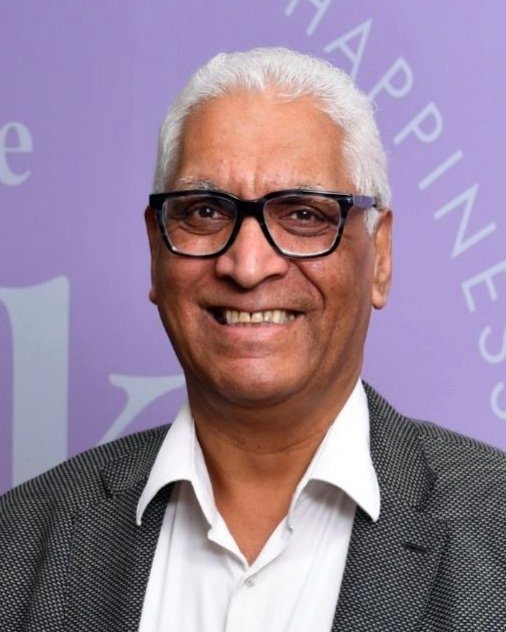
Ian Mattioli MBE
Co-founder and Founding President, Mattioli Woods


The conversations behind this play
From the PrimeStart Network conversations.



Also discussed
- The social diligence test before buying a company · Ian Mattioli MBE
- I started buying other companies far too late · Ian Mattioli MBE
- The cultural tradition behind every celebration cake · Sukh Chamdal
Get The Founders Playbook
21 plays, eight working tools and the conversations behind them. Launching February 2027.
- Free digital edition · February 2027The digital edition, free when it launches in February 2027. Register now and we’ll send it to you on launch.
- Printed book£24.99 including UK delivery. Pre-order: ships February 2027. Pre-order the printed book
The PrimeStart monthly
Get the PrimeStart monthly. Each month we take one decision from The Founders Playbook and explore it through a founder’s experience, an investor’s perspective and a practical tool.
